
SAVE 15% ON JOIE DE VIVRE AND LA VIE EN ROSE IN MARCH
Most agriculture including vineyards relies on animal inputs such as manure and bone meal. Environmental inefficiencies and ethical concerns often are overlooked.
There is growing demand for sustainable viticulture and transparency in wine production and Biocyclic Vegan agriculture leads the way with vegan wine.
In the 1950s, German organic pioneer Adolf Hoops proposed a simple but radical idea: soil doesn’t need animal inputs to thrive. The nutrients animals return to the land originate in plants, so why not go straight to the source and avoid the inefficiency?
That thinking laid the foundation for Biocyclic Vegan International based in Europe: a plant-based farming system that eliminates livestock, avoids animal inputs, and sidesteps the environmental and ethical issues tied to animal agriculture.
The result is a closed-loop plant-based farming system rooted in organic and biodynamic principles designed for truly eco-friendly, vegan wine.
To be certified to the Biocyclic Vegan Agriculture standard a farm must be already certified to the organic standard and be a fully plant-based operation. Vegan wine certification much like organic wine involves annual inspections and audits of viticulture and winemaking operations before the certifying logo can be displayed on the bottle.
Practices enhance soil health through plant compost such as our grape pomace, green manures such as clover, biodiversity and regenerative agriculture with minimal tillage. It eliminates livestock dependency while improving ecosystem balance.
Adolf Hoops asked the question: Why route nutrients through animals when plants can feed the soil directly? Plants can draw nitrogen from the air naturally and green manures like clover and legumes then enhance the soil. Feeding plants to animals for manure application to soil is an inefficient nutrient loop with nitrogen loss. Direct plant-based fertilization especially through composting is more efficient sustainable farming, and lower impact on the environment.
Living soils are a goal for organic farms – a vibrant diverse population of microbes in soil that help plants absorb nutrients and water. Synthetic fertilizers and animal manure lessen the effectiveness of living soils, while composted plant material adds to soil life.
Wine is one of the rare agricultural products celebrated for its quality and terroir with a true expression of place. Biocyclic vegan practices enhance that authenticity, allowing vineyard character to shine while aligning with the values of today’s conscious consumers.
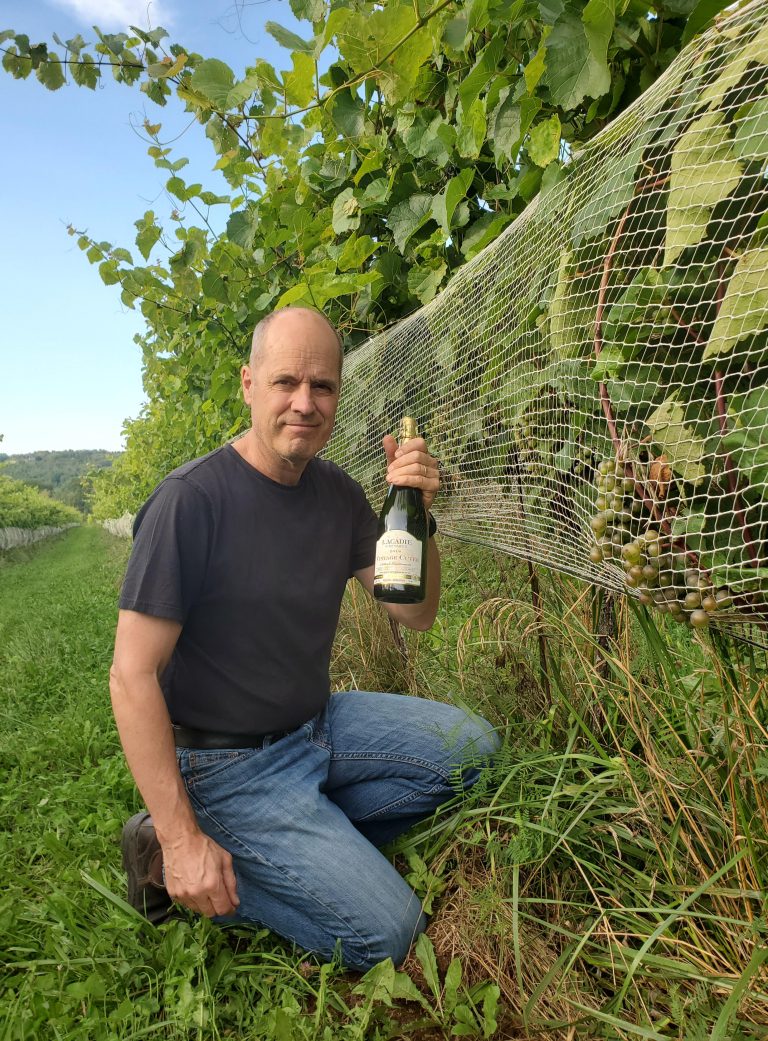
At L’Acadie Vineyards, Canada’s leading organic sparkling wine estate, these principles elevate its environmental stewardship to the next level. In 2021, the winery formalized its commitment to plant-based viticulture by becoming certified through Biocyclic Vegan International The first winery in North America to do so, and still the only Nova Scotia winery producing certified vegan wine.
More authentic wine is the future of the global wine industry after decades of over-production and diluting quality. This meets the expectations of conscious wine consumers and eco-friendly wine aligns with their values by supporting biodiversity, soil regeneration, and climate resilience.
Discover the difference of truly transparent and authentic plant-based winemaking. Explore our certified Biocyclic Vegan wines.